
About
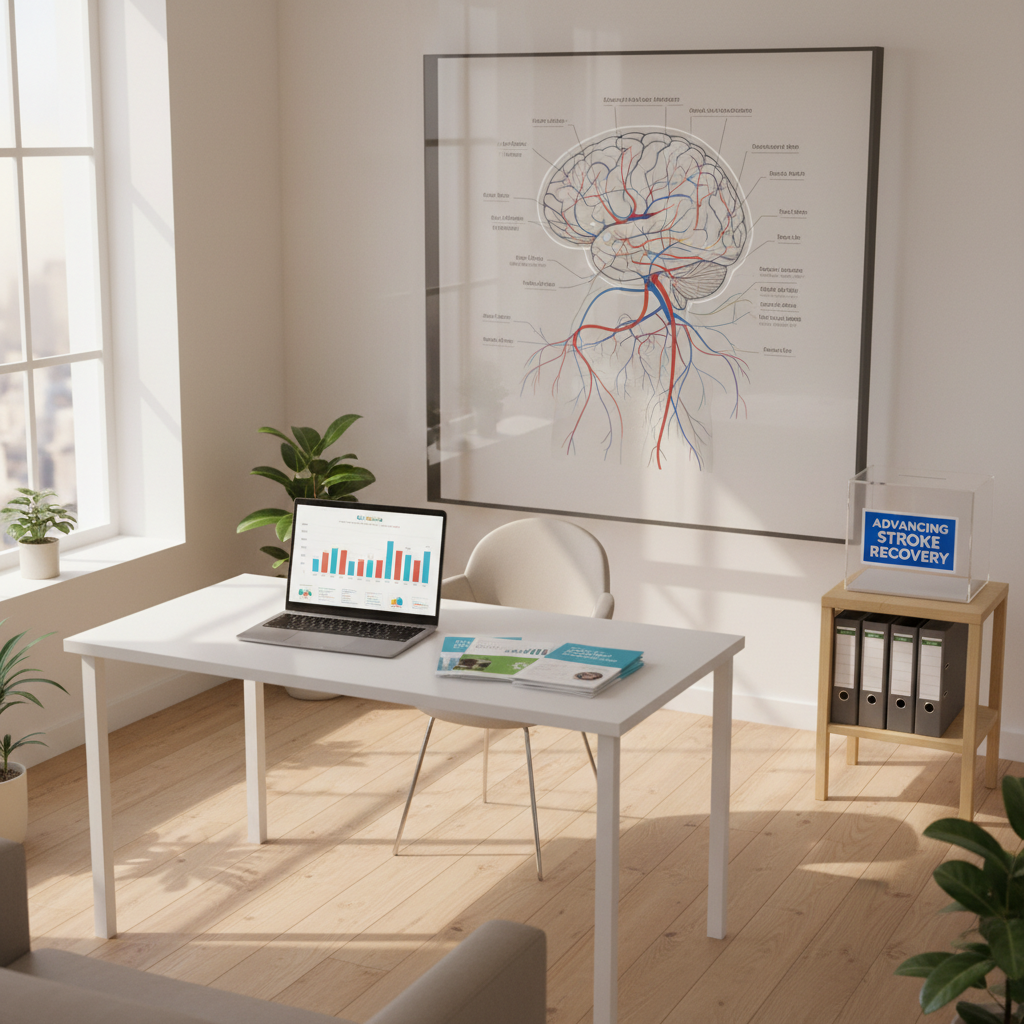
The David Allen Foundation funds innovative stroke recovery programs, education, and research, partnering with the American Heart Association to donate 100% of donations received.
Services
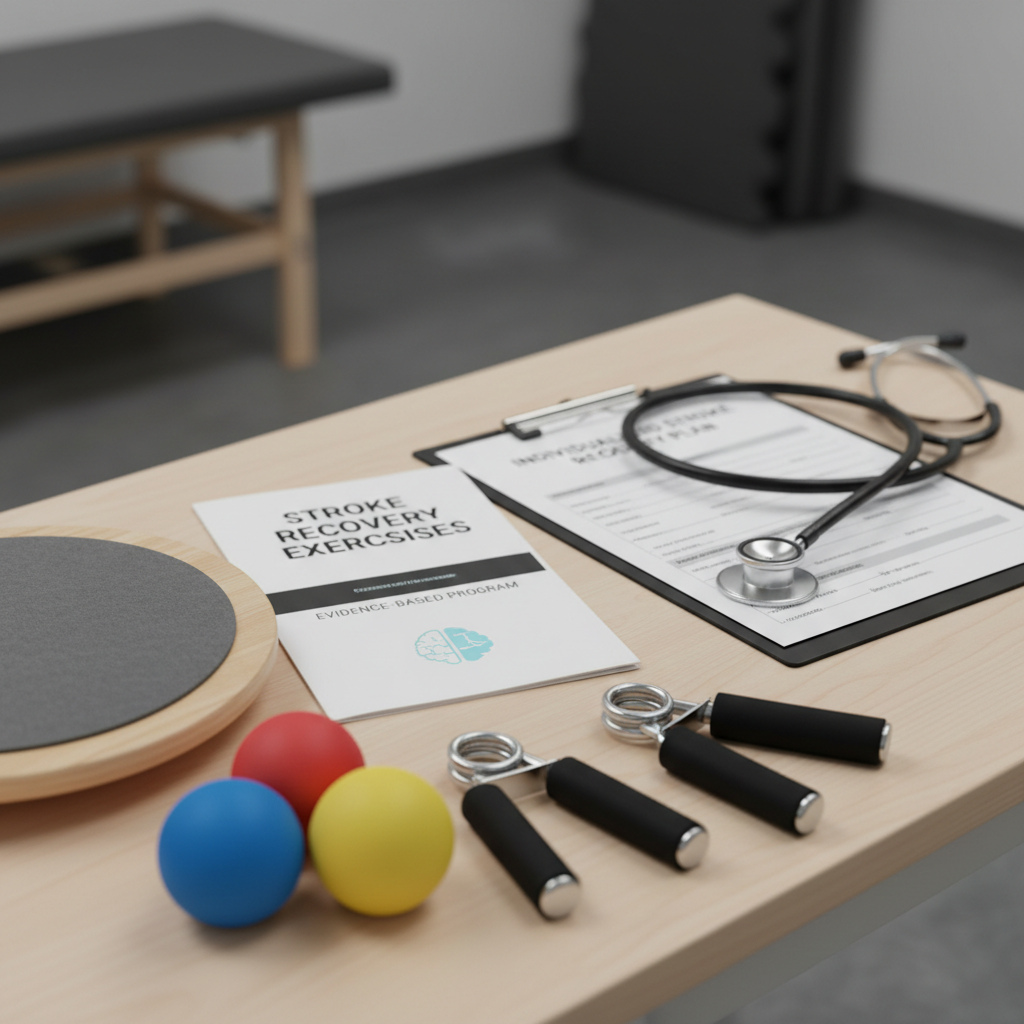
We support evidence-based rehabilitation initiatives, caregiver training, and community resources, connecting stroke survivors with multidisciplinary care, technology, and financial assistance for post-stroke recovery.
Our Why:
The David Allen Foundation was inspired by David Allen’s story, who had his first stroke at age 49. This nonprofit was founded by his daughter, Sarah Kaspari, and is now carried on by his three grandchildren: Tyler, Olivia, and Jon. David Allen unexpectedly had his first stroke at 49 years old, and before passing at age 62, had experienced 11 strokes in total. Sarah Kaspari had experienced firsthand the devastation of watching someone you love endure such hardship and have to relearn how to walk, eat, speak, dress, and more. As David Allen had all these happen, he was put into intensive therapy, with much of his situation reliant on hope. Our family was able to pay privately for home care for David, relying on friends and family for not only monetary support, but for love and community to help support his rehabilitation. Unfortunately, not as many people have the same access to care and rehabilitation, nor do they have the same sense of community that David Allen had. According to a UCLA study that tracked over 500 patients across 28 acute care hospitals in their first year following a stroke, about 1/3rd of patients had not received physical therapy, almost half had not received occupational therapy, and over 6 in 10 did not receive speech therapy. The David Allen Foundation’s mission is to help bridge this gap by funding and supporting stroke survivors who lack access to rehabilitation and a supportive community. As a result, all of our donations are going to the American Heart Association to fund additional rehabilitative programs that improve access to stroke recovery care.
Upcoming events
May
Hope Center
Chicago, IL
Sign up
August
Rehab Center
Cleveland, OH
Join event
November
Wellness Center
Pittsburgh, PA
Save seat
June
Hope Annx
Learn more
September
Rehab Pavilion
Milwaukee, WI
More info
December
Wellness Auditorium
Hartford, CT
Event details
July
Hope Clinic
Chicago West
Register
October
Rehab Campus
Hershey, PA
RSVP
Spring
Wellness Hub
Bangor, ME
Apply now
Insights


Newsletter
Get stroke recovery news, stories, and tools.
 David Allen Foundation